Clear perspectives. Robust solutions.
A resilient future starts with the ability to act.
Industry needs more than another strategy. It needs clear priorities, sound decisions and organisations that can turn change into progress. I bring industrial experience and an integrated perspective to help you find your next step.
Message Britta on LinkedIn (opens in a new tab)- 25+ years of industrial experience
- Strategy grounded in practice
- A direct, personal approach
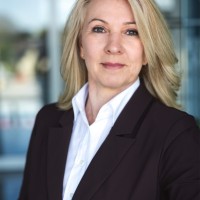
Perspective. Direction. The next step.
The challenge
When everything matters, clarity makes the difference.
Shifting markets, constrained resources, complex supply chains and new technologies demand attention at the same time. More initiatives are not always the answer. What matters is recognising the connections and choosing what truly moves your business forward.
Understand the complexity
Make the relevant connections and dependencies visible.
Sharpen the priorities
Separate meaningful progress from additional activity.
Enable decisions
Connect strategic direction with organisational action.
A clearer direction
From complexity to clarity.
Industry is becoming more complex
Markets, resources, supply chains and technologies are interconnected. Many demands feel equally urgent.
See the connections
Priorities bring clarity
Turn clarity into action
Build the capacity for a resilient future
An abstract illustration, not actual company data.
Areas of expertise
Three perspectives. One ambition: a future-ready industry.
Industrial resilience, effective transformation and sustainable value creation belong together. They call for decisions that consider the business as a whole.
Industrial resilience
Stay robust. Remain adaptable.
Long-term competitiveness depends on how businesses account for risks, dependencies and changing conditions in their decisions.
- Strategic risks and dependencies
- Long-term competitiveness
- Organisational adaptability
Transformation & ability to act
Give change a clear direction.
Transformation becomes effective when priorities are clear, people are involved and strategic goals translate into achievable steps.
- Strategic prioritisation
- Organisation and collaboration
- Implementation and capacity for change
Sustainability & value creation
Make sustainability a business decision.
Sustainability creates value when it informs decisions about material risks, resources and long-term opportunities.
- Sustainability in business management
- Resources and value creation
- Less complexity, greater focus
Which perspective matters most for your business? A short message is a good place to start.
Message Britta on LinkedIn (opens in a new tab)Questions from industrial practice
Complex questions. Clearer decisions.
Every organisation has its own structures, risks and goals. These situations illustrate where an independent strategic perspective can help.
Illustrative scenarios, not documented client projects.
Illustrative scenario
How robust are the decisions we make today?
- Starting point
- An industrial business is planning long-term investment. Raw material availability, energy prices and supply chains affect the business case.
- Strategic question
- Which risks and dependencies deserve greater attention in investment decisions?
- Advisory approach
- Structure relevant factors, bring different perspectives together and examine long-term options.
- Potential benefit
- A stronger foundation for setting strategic priorities.
Illustrative scenario
How do we create impact, not just more initiatives?
- Starting point
- Multiple transformation programmes compete for attention, budgets and organisational resources.
- Strategic question
- What should we prioritise, connect or deliberately stop?
- Advisory approach
- Review initiatives through a strategic and organisational lens, identify conflicting goals and sharpen priorities.
- Potential benefit
- Greater clarity about the next meaningful steps in the transformation.
Illustrative scenario
How does sustainability information inform decisions?
- Starting point
- A business has extensive sustainability data, but its contribution to strategic decisions remains unclear.
- Strategic question
- Which information matters most for risks, opportunities and economic value?
- Advisory approach
- Identify material information and connect it to business goals and management decisions.
- Potential benefit
- A more focused approach to information and strategic sustainability topics.
Does one of these questions sound familiar?
Message Britta on LinkedIn (opens in a new tab)Why Britta Grundke
Industry understood. Connections recognised. People involved.
Advice becomes more valuable when it reaches beyond concepts and reflects organisational reality. My approach connects industrial experience with a broad view of resilience, transformation and value creation.
Industrial experience
First-hand understanding of industrial operations, organisations and strategic challenges.
Strategy meets practice
Business objectives and practical implementation are considered together.
An integrated perspective
Resources, organisations, people and economic relationships are not viewed in isolation.
Focus on what matters
The right decisions take precedence over the greatest number of measures.
Personal collaboration
Direct, respectful communication and a willingness to understand different perspectives.
About Britta
Experience that connects. Perspective that looks ahead.
I bring more than 25 years of experience in industry. My career has spanned different functions and responsibilities, including roles at Merck and, later, a sustainability leadership role at PowerCo SE.
These perspectives shape how I see industrial organisations: business performance, strategic decisions, sustainability and the people who make change happen belong together.
My focus is on how businesses can remain capable of acting as conditions change — and create value over the long term.
Alongside enquiries about strategic advice, I welcome conversations with employers and recruiters about suitable opportunities across Germany.
- Long-standing professional experience at Merck
- Experience across industrial functions
- Sustainability leadership and industrial transformation
- Public contributions on resilience and future readiness
Perspective
The future takes more than new technology.
Whether the topic is digitalisation, sustainability or industrial transformation, the key is how organisations interpret developments, learn from them and turn change into sound business decisions.
Resilience, not just reaction
Long-term stability comes not only from managing individual crises, but from the capacity to adapt to changing conditions.
Less complexity. Greater focus.
Another initiative is not always progress. Letting go of outdated approaches can create room for something better.
Technology, organisations and people
Technology can enable change. Its impact depends on how people, processes and collaboration develop alongside it.
Working together
A clear starting point. An individual approach.
- 1
Start with a message
Outline your question and business context on LinkedIn or by email. No phone call is required to get started.
- 2
Understand the challenge
We clarify your starting point, priorities and expectations through direct written communication.
- 3
Define the scope
We explore suitable approaches, the scope of support and possible next steps.
- 4
Agree on collaboration
If there is a good fit, we agree on services, responsibilities and a way of working suited to your situation.
Good advice starts with the right question.
Industrial challenges differ in scale, complexity and the decisions they require. The approach should reflect your specific situation and the outcome you need.
We start in writing. Any further format is agreed together.
What shapes the scope of an engagement
- Strategic question
- Size of the organisation
- Functions involved
- Analysis and preparation required
- Type and duration of support
- Desired outcome and next steps
Good to know
Good decisions start with good questions.
The right advisory relationship needs to fit your subject, your people and your organisation. Here are some practical answers.
Still shaping your question? Tell me what your business is facing.
Message Britta on LinkedIn (opens in a new tab)Which businesses can benefit from your advice?
My focus is on industrial businesses addressing strategic resilience, transformation and long-term value creation. Whether working together makes sense depends on your specific question.
Which topics can we work on together?
Industrial resilience, strategic prioritisation, organisational capacity to act and the connection between sustainability and business value. The emphasis is tailored to your situation.
Is your approach strategic or operational?
It combines a strategic perspective with an understanding of day-to-day industrial operations. The balance depends on your needs and the agreed scope.
Do you support complex transformation?
Complex transformation first requires clarity about objectives, priorities and the people involved. An initial written exchange helps establish where an independent perspective could contribute and how support might be structured.
How does this differ from conventional sustainability consulting?
Sustainability is not treated solely as a reporting or regulatory task. The focus is on its connection to resilience, business decision-making and long-term economic value.
Do you work with executives and leadership teams?
The approach is particularly relevant to people with strategic and organisational responsibility. We agree on a suitable working format based on the task.
How do I get in touch?
Send me a LinkedIn message with a brief outline of your question. Email is an alternative. We start in writing; no phone call or calendar booking is required. An enquiry does not create a consulting agreement. LinkedIn may ask you to sign in.
What does an engagement cost?
Fees depend on the question, scope and agreed services. We first discuss a suitable framework. If there is mutual interest, this can lead to a specific proposal.
How are location and working arrangements agreed?
Location and working arrangements are considered in light of your question and organisational requirements. Include your needs in your initial message.
Do you provide legal or regulatory advice?
The focus is on strategic and organisational questions, not legal, tax or other regulated professional advice. Appropriately qualified specialists should be involved where required.
Let’s find your next step
A clearer perspective starts with a message.
What is holding your organisation back? Tell me a little about your challenge. I also welcome contact about suitable employment opportunities across Germany. We can start in writing — directly and personally.
LinkedIn may require you to sign in. No form. No calendar booking.